Digital Economy Delivery
Eight years of national digital-economy work from the Vice President's office — skills at scale, infrastructure expansion, and a launchpad that put Nigerian founders in front of the world. The umbrella under which much of the rest of this portfolio began.
Skills at scale — Npower
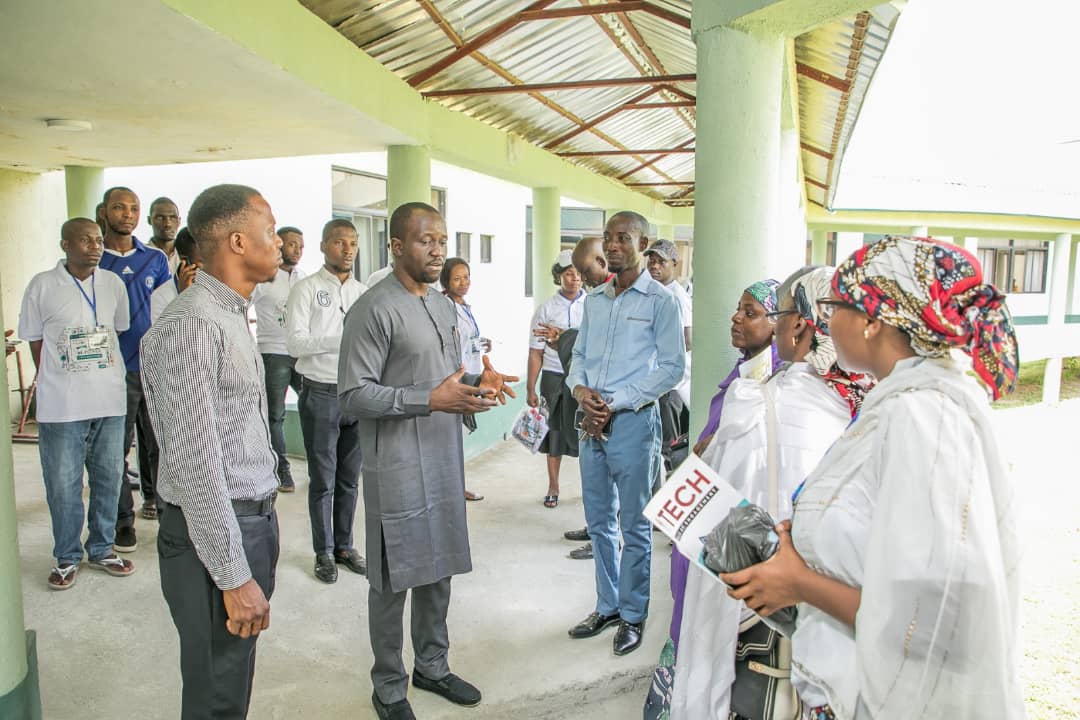
The demographic dividend only pays out if young people have skills the economy can use. Ife helped drive Npower, the federal skills-and-jobs programme that trained and deployed more than 500,000 young Nigerians — one of the largest such interventions on the continent, and the origin of the "500,000+ trained" figure that anchors this site.
Infrastructure — broadband, 4G and fibre
Skills need pipes. Across the 2019–2022 period, Ife worked on the broadband and digital-infrastructure expansion that underpins Nigeria's digital economy today — a period in which 4G coverage grew from roughly 23% to 77% and the national fibre network expanded from about 15,000 to 60,000 kilometres.
The launchpad — Aso Villa Demo Day
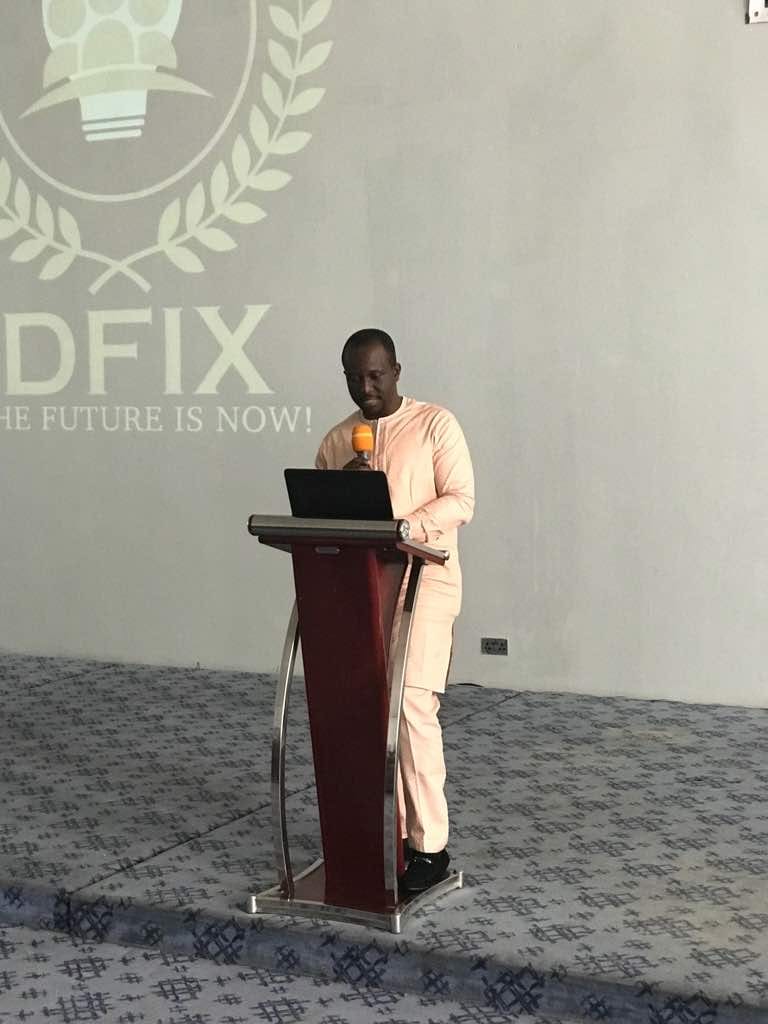
In 2016 the Presidency screened around 400 startups, put 30 finalists in front of the President, the Vice President and Mark Zuckerberg, and connected roughly 200 of them to World Bank / DFID seed grants. A decade later, the alumni of that single programme include a Y Combinator-backed insurtech (Curacel), a mobility company that went on to raise over $5.6 million (Shuttlers), an Africa Prize-winning edtech (Tuteria), a documented exit (Printivo, acquired 2024), a leading recycling social enterprise (RecyclePoints), and a K-12 platform now in eight countries (Edves). The programme was the platform; the founders built the companies.
The partnerships behind it
None of this happened alone. The portfolio was delivered with the World Bank, UNDP, the European Union and major global technology firms — the partnership muscle that financed the skills, the infrastructure and the launchpads, and that later carried through into the multilateral co-financing of iDICE.